
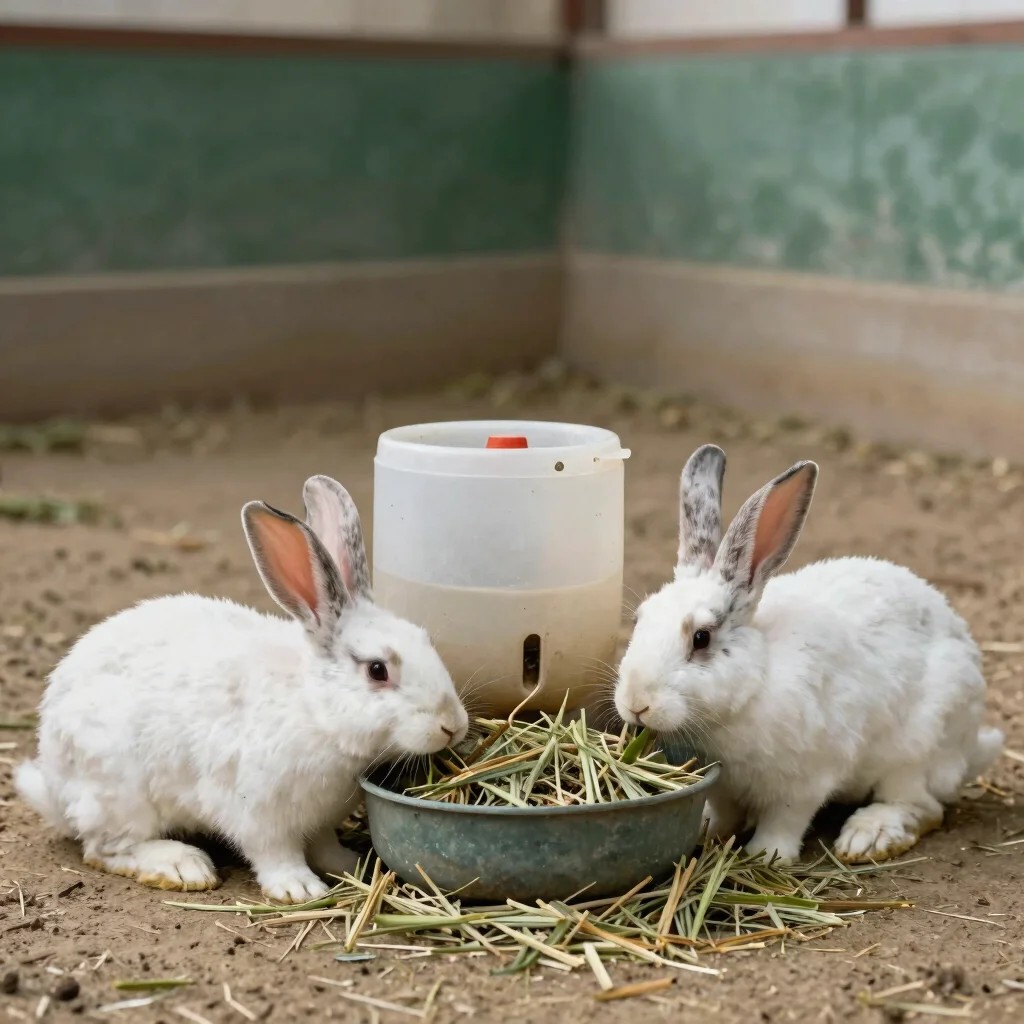
A new feed may look like a convenient solution when supplies change, but replacing one ration with another overnight makes the results difficult to interpret. In Pakistan, what is available can differ between districts and seasons. A careful transition, guided by the animals’ needs and reliable local advice, is a more responsible approach.
Keep the Routine Consistent
Offer clean drinking water and make feed available in a way that keeps it clean and protected from dampness or contamination. Note what is being offered, when it changes, and how the rabbits respond. Consistent observations help separate a feed issue from changes in weather, housing, or daily care.
Introduce Changes Gradually
When a change is needed, avoid switching everything at once; ask a veterinarian or knowledgeable local animal-care professional how to transition appropriately for your rabbits. Keep a record of the old and new feed and the dates of the change. If rabbits appear unwell or stop eating, seek veterinary guidance promptly.
Be Careful With Forage
Do not assume that a plant is safe simply because it grows nearby or is fed to other livestock. Use forage only when its identity and suitability for rabbits are known, and keep it clean and free of mold or contamination. Good nutrition decisions depend on the animal, the feed, and sound advice—not on guesswork.