History & development
Rabbit farming in Pakistan, from backyard trials to a growing sector
A look at how rabbit husbandry has developed across Pakistan's provinces, from small home pens to structured farms, and the scope of the practice today.
Provinces
Where backyard and commercial rabbit keeping now operate
Smallholders
The core community of practitioners across the country
Local context
Climate, feed, and markets shape every farm
Development phases
Three phases shaping the practice
Phase one
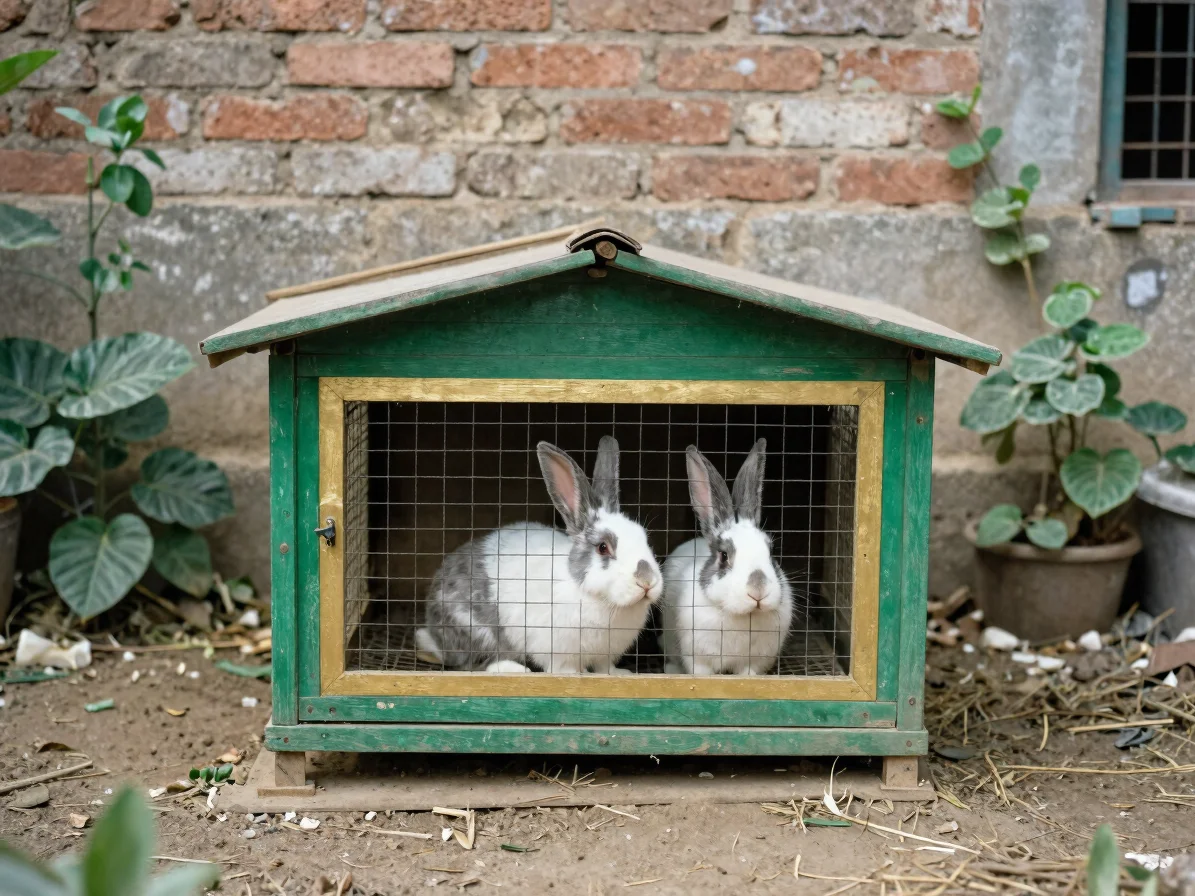
Early backyard trials
Rabbits were first kept in small household pens, mainly for family meat and manure. Keepers learned housing, feeding, and hygiene through trial and observation, which laid the foundation for later structured practice.
Phase two
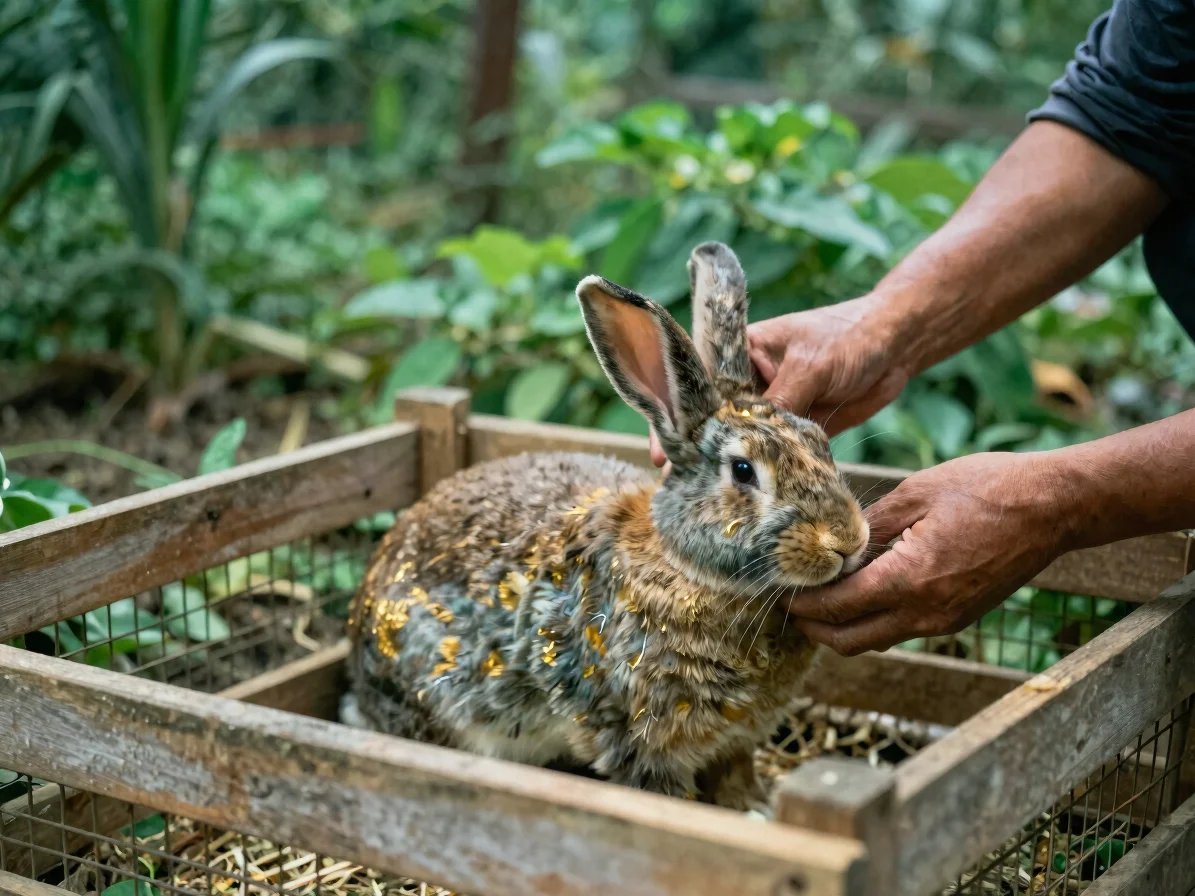
Breed introduction and selection
Farmers and institutions began introducing meat and fur breeds suited to the local climate. Selection focused on growth, temperament, and heat tolerance, and records on breeding began to replace guesswork.
Phase three
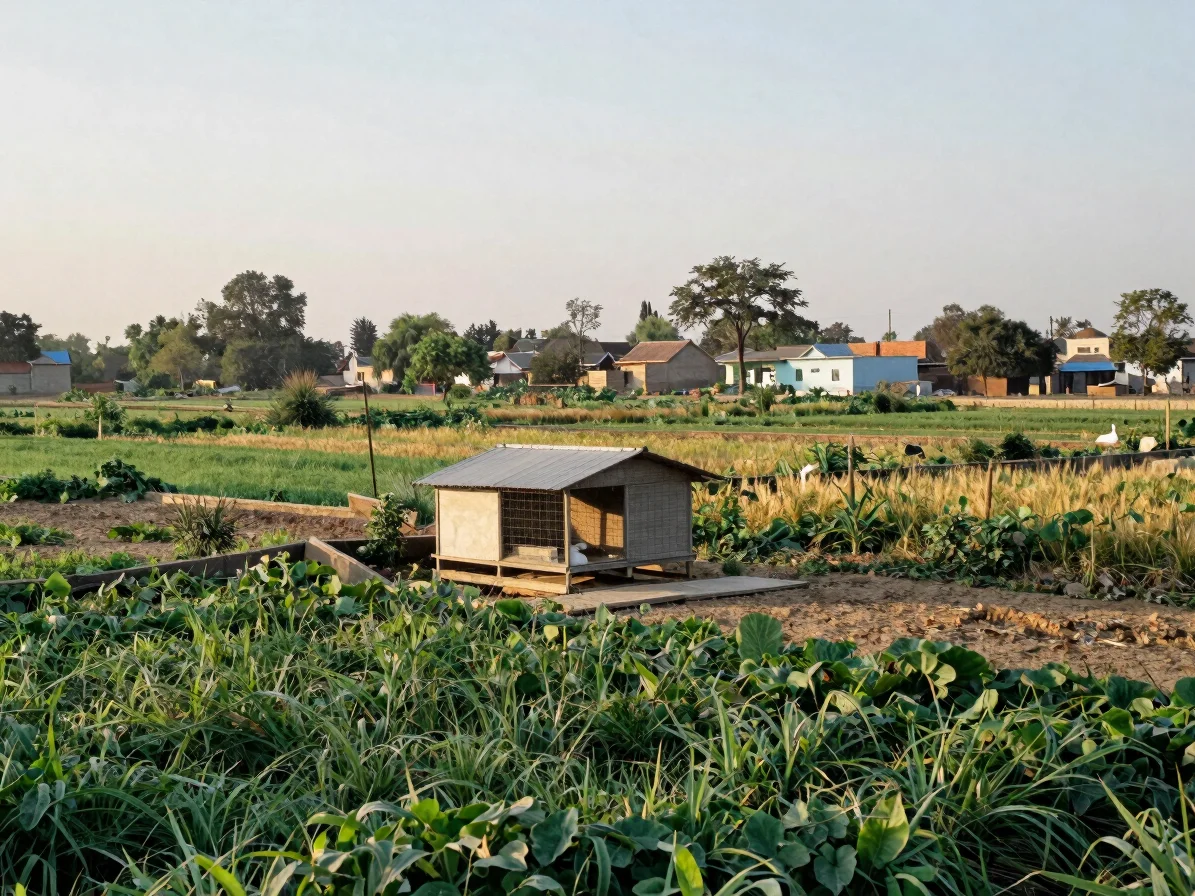
Regional farmer adoption
Training sessions and farmer groups spread practical methods across provinces. Smallholders adapted housing and feed to local materials and conditions, so the practice now varies from district to district.
Analysis & research
Opportunities, climate realities, and sustainability
Rabbit farming offers smallholders a low-space livestock option with relatively modest startup needs. Its viability depends on local demand, reliable feed sources, and careful management of the hot summer months that stress animals across much of the country.
Responsible diversification means weighing these realities honestly. Research and policy discussion can help farmers judge economic sustainability, animal welfare, and the regulatory context before scaling up, rather than relying on unsupported productivity claims.