
Rabbit breeds
Choosing the right breed for your climate and purpose
Breed selection starts with three questions: what you want to produce, how hot or cold your region gets, and what housing, feed, and labour your farm can realistically support. The profiles below compare breeds on growth, heat tolerance, and feed conversion so you can match them to your conditions.
3
Breed profiles covered
3
Selection criteria to check
Breed profiles
Four breeds, four different farm goals
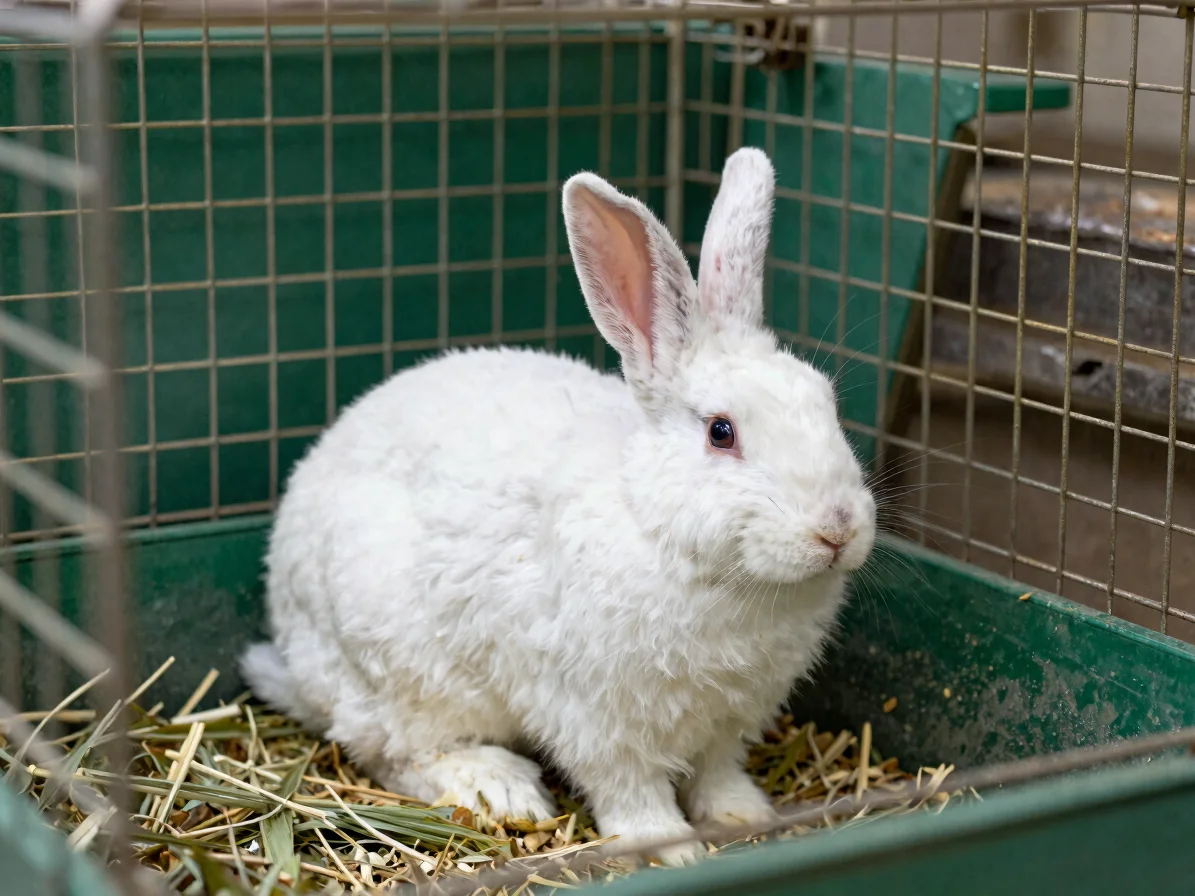
Meat production
New Zealand White
A large, calm, white-coated breed widely kept for meat in Pakistan. It grows quickly on a balanced pellet diet and adapts reasonably well to moderate heat when housed in shade and ventilated sheds. Its clean white coat also makes it a common choice for beginners.
Meat production
Californian
Recognisable by its white body with dark ears, nose, feet, and tail. Californians are compact, steady growers and tolerate handling well. They are suited to farms that want consistent meat output with manageable housing needs, though they prefer cooler shaded conditions during summer.
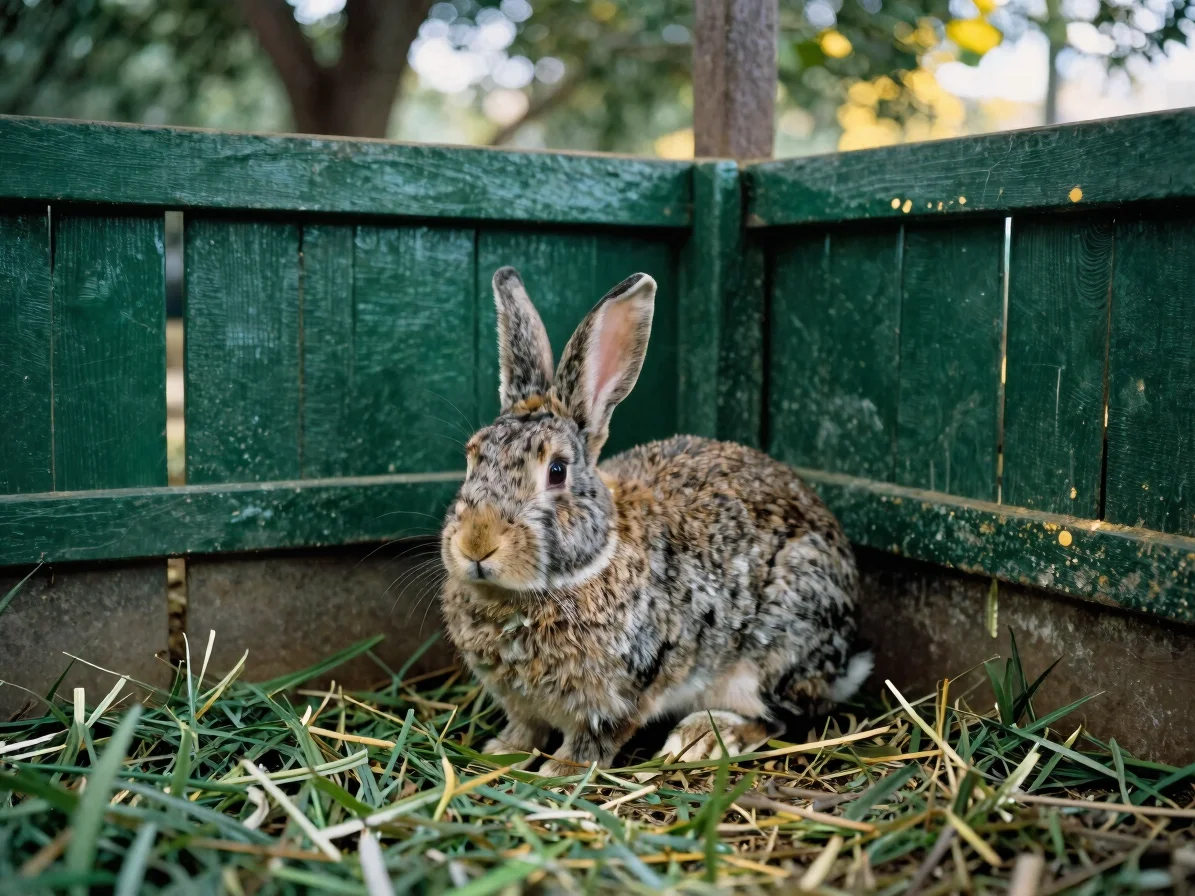
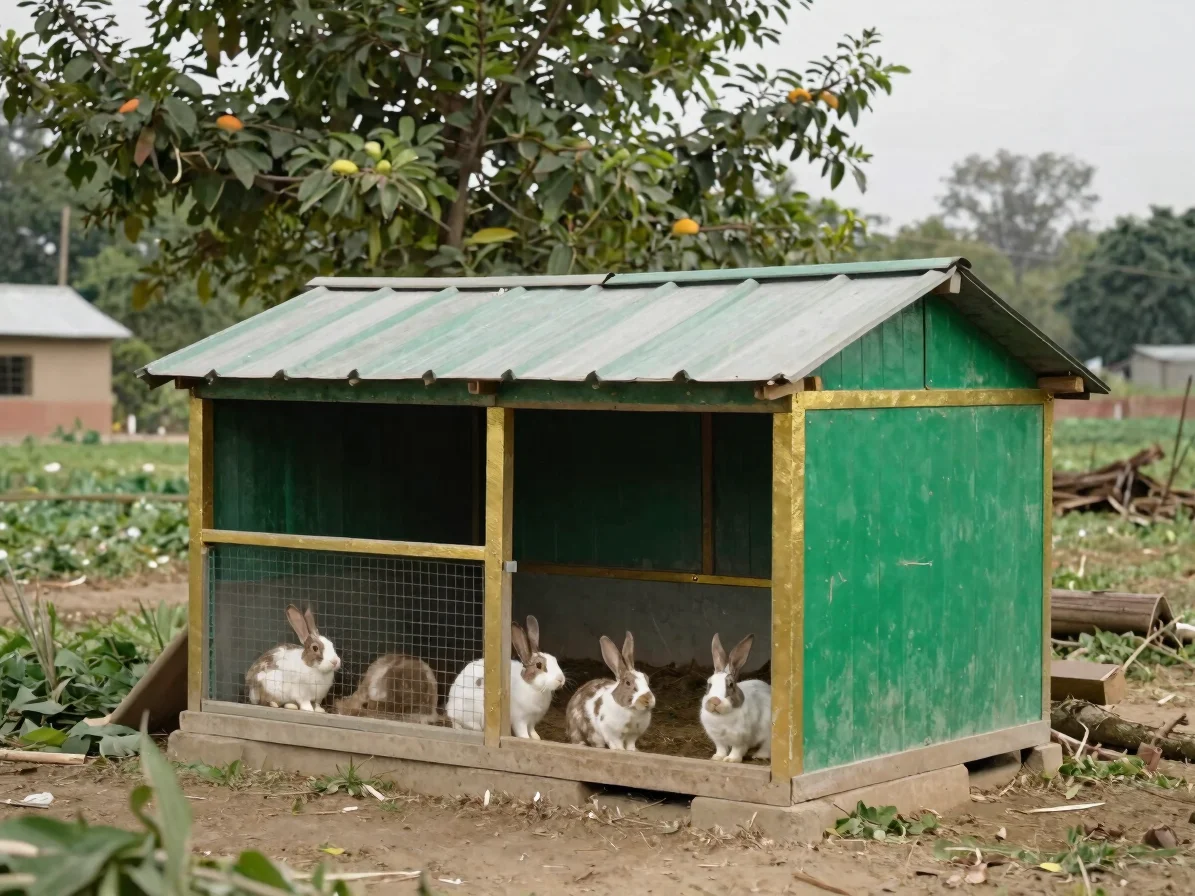
Adaptable breed
Chinchilla and local crossbreeds
Chinchilla rabbits are valued for their fur and were long kept for that purpose. Local crossbreeds, often developed by farmers over generations, can combine useful traits such as hardiness in local weather with acceptable growth. Performance varies widely, so record weights and feed intake from your own stock before deciding on a line.
Selecting breeding stock
What to check before buying bucks and does
Healthy breeding stock is the foundation of a productive line. Inspect animals in person, ask about their parents, and avoid buying from any source where animals look neglected or crowded.
Vitality
Bright, alert, and active
Look for clear eyes, a clean nose, a smooth coat, and an animal that moves freely. Avoid rabbits with discharge, sores, matted fur, or laboured breathing.
Body condition
Even weight and firm build
Check that the body is well covered without being overweight. Bucks should have normal, intact genitals, and does should have a healthy, unblemished underside and teats.
Reproductive record
Ask for breeding history
Ask how many litters the doe has produced, how many young survived to weaning, and how long the buck has been in service. Reproductive longevity is easier to judge with written records than with appearance alone.