
Farming Guide
Breeding systems and reproductive cycles for rabbit farms
A practical reference for breeding management, kindle box preparation, nursing, weaning, and the records that keep a Pakistani rabbit farm productive and responsible.
Breeding phases
From mating to weaning
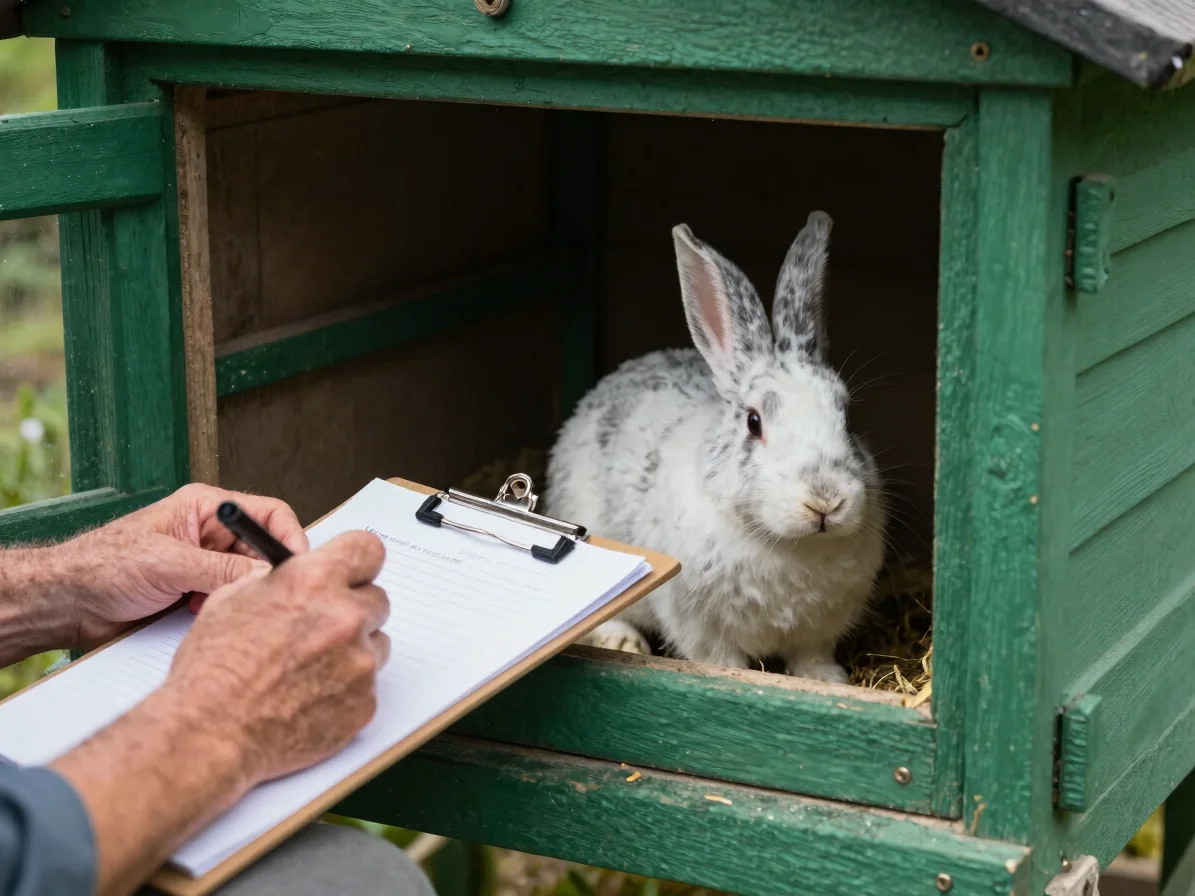
Mating
Mating schedules and gestation monitoring
Record each doe's mating date and confirm the outcome before planning the next cycle. Gestation normally lasts about 30 to 31 days, so mark the expected kindling date on your calendar and check each doe closely as it approaches.
Kindling
Nesting box preparation
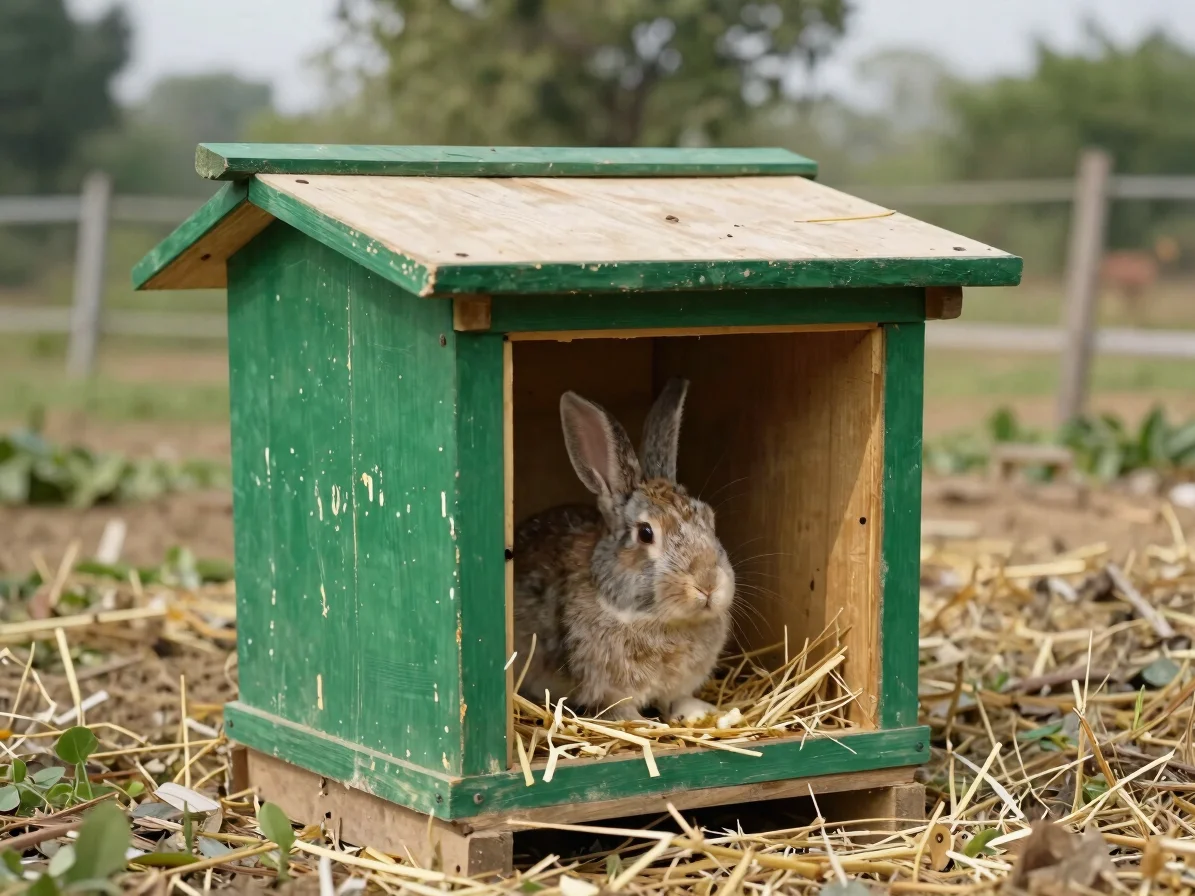
Provide a clean, dry nesting box with enough soft, dry bedding a few days before the due date. A calm, quiet location away from frequent disturbance helps the doe settle and nest.
Nursing
Nursing care and litter checks
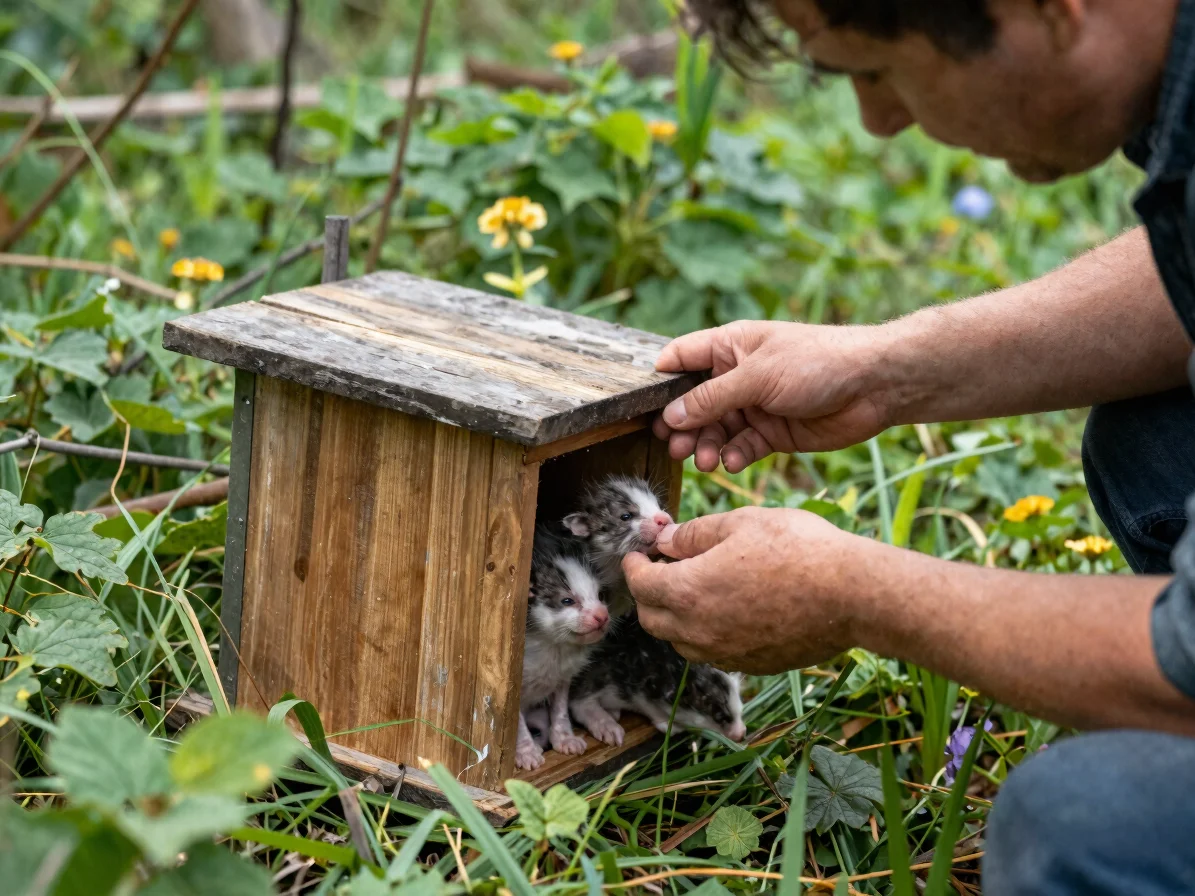
Check the nest once daily, gently and briefly, to confirm kits are warm and nursing. Remove any dead kits promptly, keep the box dry, and watch the doe for signs of illness or poor appetite.
Weaning
Kit weaning and growth tracking
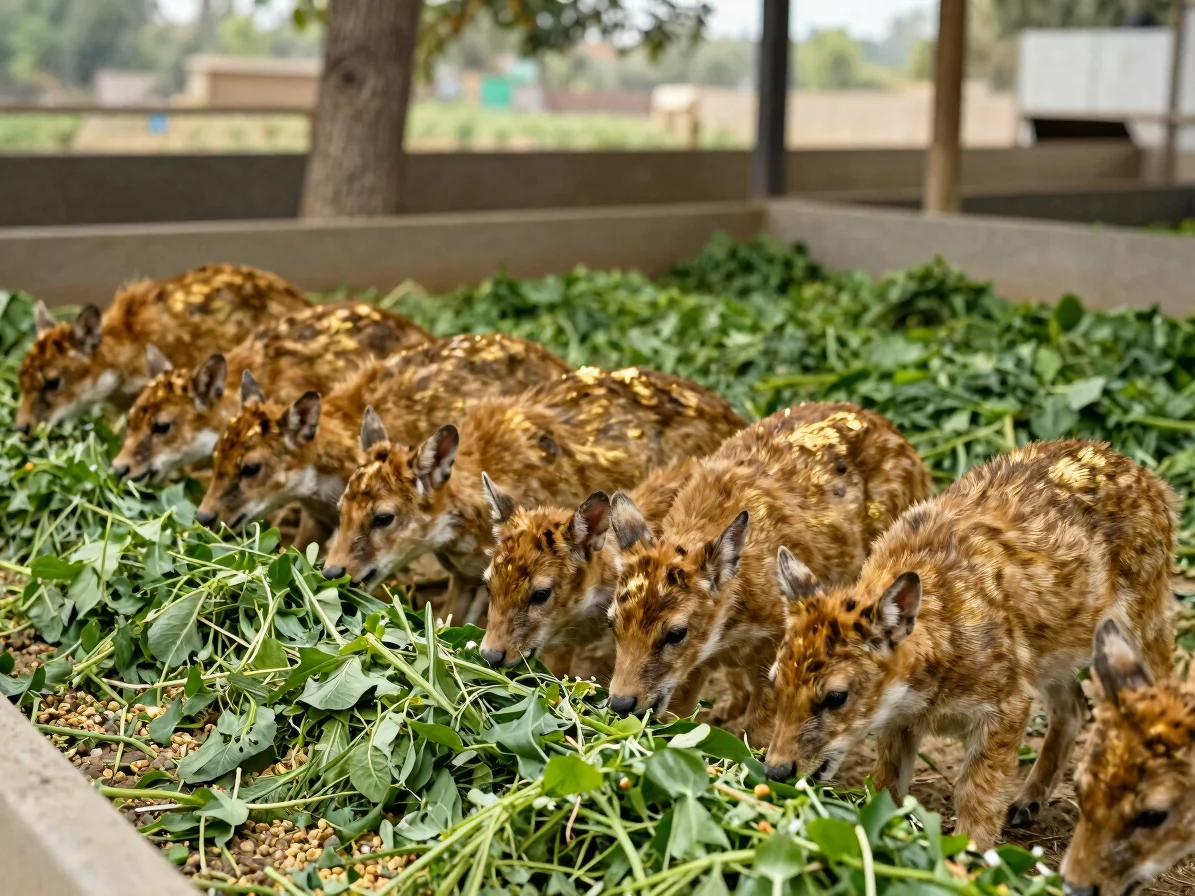
Most kits are weaned between about four and six weeks of age, once they eat solid feed well. Weigh kits regularly and separate them by sex and size, so growth stays even and records remain useful for future breeding decisions.
Farm records
Keep records that guide every breeding decision
Simple, consistent records of pedigree, breeding, expenses, and inventory make it easier to spot problems early and plan responsibly. A future My Farm dashboard will organise these records; for now, keep a paper or spreadsheet log for each rabbit and each cycle.